
Zilkerbinnenweg
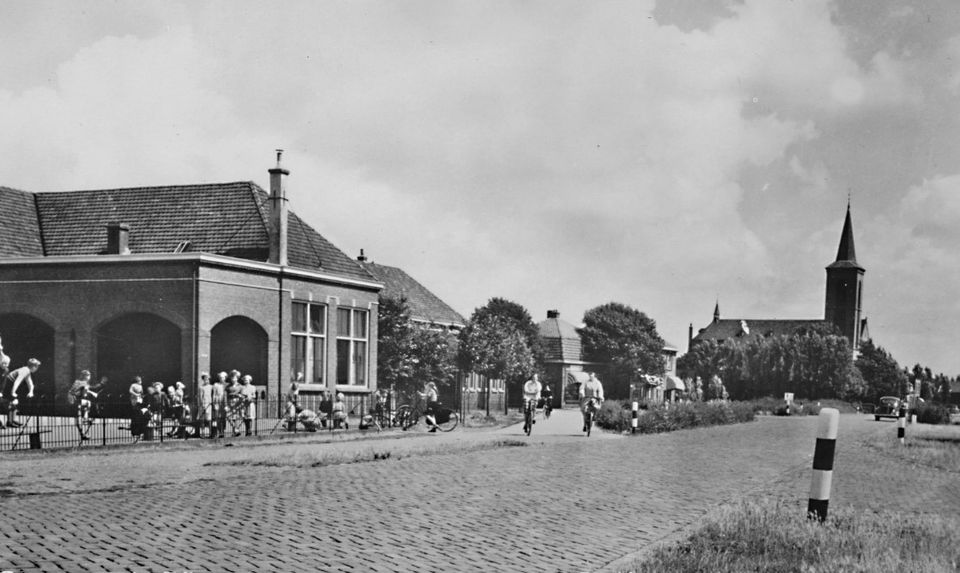
The Zilkerbinnenweg has many nicknames, such as “de kromme Zilk” (“the crooked Zilk”) and “de kleine Zilk” (“the little Zilk”).
Originally, it was just a winding path running along the dunes, connecting the Beeklaan and the Delfweg. Over the years, the dunes on both sides of the road were excavated to make agriculture and livestock farming possible.
Four large farms were built along this road: Prinsenhof, In den Groene Tuin, Hoogendorp and Breeland. At Zilkerbinnenweg 30, the last of these still stands proudly today. “In den Groene Tuin” was built in 1902 as a dairy farm belonging to the Haarlem almshouse “In den Groene Tuin.” This almshouse had already been founded in 1616 through the estate of Catarina Jansdochter Amen. Single women over the age of fifty were allowed to live there, provided they could support themselves.
Until the 1960s, cows still grazed in the meadows of “In den Groene Tuin” and at the Prinsenhof of the He…
Originally, it was just a winding path running along the dunes, connecting the Beeklaan and the Delfweg. Over the years, the dunes on both sides of the road were excavated to make agriculture and livestock farming possible.
Four large farms were built along this road: Prinsenhof, In den Groene Tuin, Hoogendorp and Breeland. At Zilkerbinnenweg 30, the last of these still stands proudly today. “In den Groene Tuin” was built in 1902 as a dairy farm belonging to the Haarlem almshouse “In den Groene Tuin.” This almshouse had already been founded in 1616 through the estate of Catarina Jansdochter Amen. Single women over the age of fifty were allowed to live there, provided they could support themselves.
Until the 1960s, cows still grazed in the meadows of “In den Groene Tuin” and at the Prinsenhof of the Heemskerk family. After that, these lands were also adapted for bulb cultivation.
Did you know?
- The position of the farms shows how important the Zilkerbinnenweg once was.
- That is why Catharijne Hoeve and Bouwlust on the Zilkerduinweg were built with their front façades facing the Zilkerbinnenweg.
- Small buildings can still be seen in the landscape. These are shelters once used by farm labourers.